
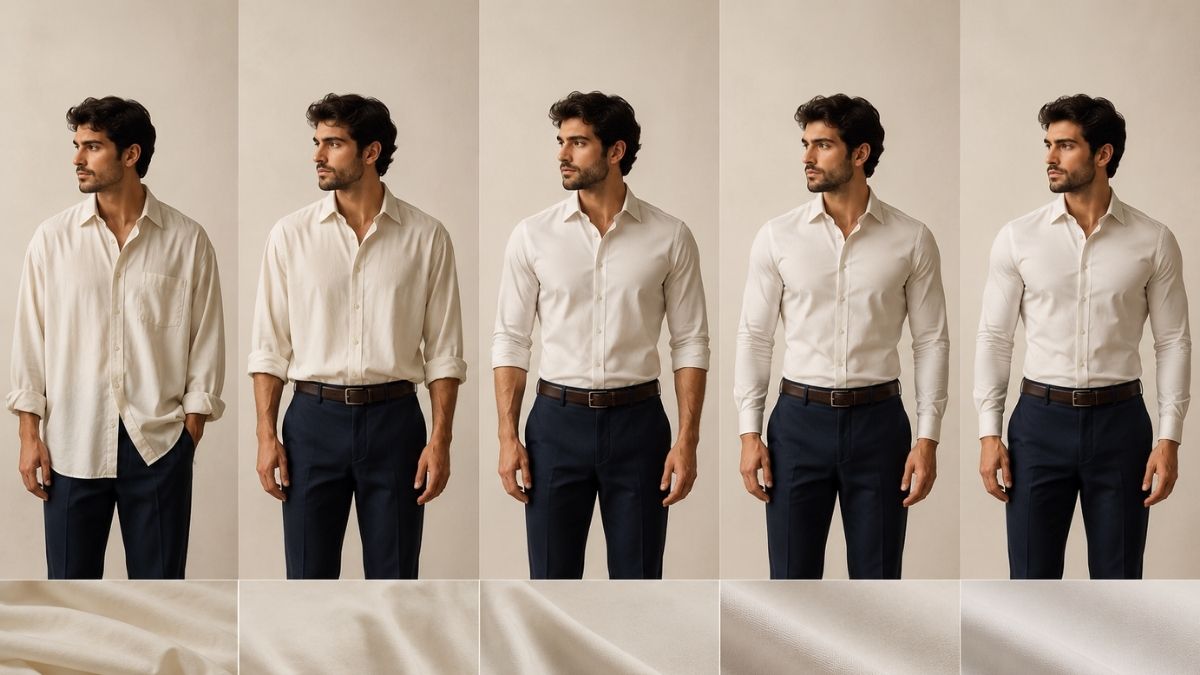
CEO of fashion brands along with the designers and fashion experts, believe making a fit profile requires a proper arrangement of the brand’s core sizing rules. Even an impressive casual clothing style can look messy if the proportions go wrong. So, the rules are focused on body shapes and apparel’s comfort, having a clear vision of fits guarantees the exact size and look in every clothes done by the factory.
A size chart features ‘S’, ‘M’, ‘L’ and ‘XL’—but what if it’s more than that? Accurate fit includes style variations like slim, classic, relaxed, and boxy. These options don’t just reflect body proportions but also your lifestyle and personal styling choice.
What’s a Good Fit?
A good fitting in dress supports your body, not protest it. When you feel comfortable while wearing an ensemble and it moves with your body as intended, consider the outfit well-fitted.
- Shoppers can tell if a dress fits them well or not within seconds.
- When you love your fit, you keep going back to that store or purchasing the same online because you trust that size setting. Isn’t it right?
- People embrace comfortable clothing more over any other trendy casual outfits, as they look for cosiness and flexible moves rather than suffocation all day long.
Do Fit Profiles Matter? — Reasons Why
- You get to decide how tight or lose your simple casual outfits should feel.
- You map out the exact shape of the body.
- Factories copy the exact look you need in every new product.
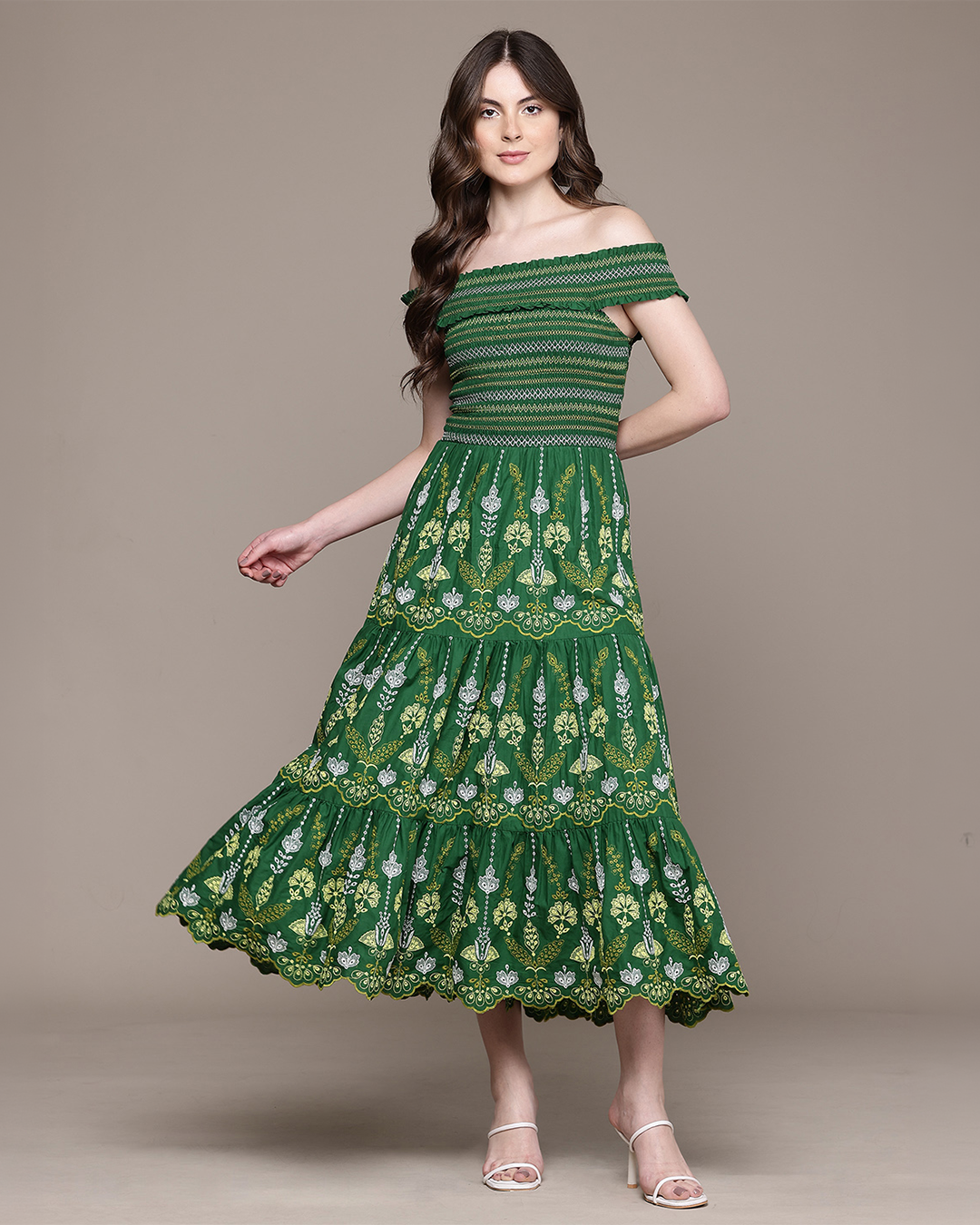
Label Ritu Kumar
Green Enza Long Dress
₹10,900.00
The Green Enza Long Dress reads as considered classicism: nothing extra, nothing missing. Crafted from cotton cambric in a botanic print, this maxi dress is a deliberate, wearable piece built for daily use. The kind of piece that earns its…
Shop Now.webp)
Happi Space
Art Co-ord Set Aloha Print Yellow
₹8,500.00
This is a vibrant and artistic co-ord set featuring a sleeveless top and matching skirt. The cheerful yellow background is adorned with tropical-inspired motifs, featuring bold sun, lush leaves, and eclectic designs that evoke a lively island vibe. The Co-ord…
Shop Now.webp)
Happi Space
Art Co-ord Set in Arcade Print
₹8,500.00
This is a vibrant and artistic co-ord set featuring a sleeveless boxy minimal top and matching vintage inspired skirt. The outfit is characterized by a playful, abstract print in bold, multicolored geometric shapes and patterns. The design includes lively combinations…
Shop NowWhat Happens When You Have a “Bad Fit”?
Just one bad fit turns your happy shopping experience into frustration. This is where a perfect fitting gets necessary. It can ruin a brand’s reputation and bottom line as well. Though online shoppers have an opportunity to return which doesn’t fit their expectation, buyers at physical store usually miss that chance even if they’re just planning to buy a simple casual clothing style.
What happens after experiencing the same multiple times, we label that brand as “not for them.” Now, once a broken trust is pretty hard mend. So, to put it in one sentence, bad fit loses a customer forever.
Why Can’t All Brands Nail The Fit?
Why do so many brands struggle with providing the right fit, when it’s essential? The challenges often involve the points below:
- Variation in body shapes – Human figures vary when it comes to standard shapes, which means differences in regional structure make universal sizing highly complex.
- The way fabrics react – Even when patterns are identical, direct alternation of a garment depends on how the fabric stretches, hangs, and recovers.
- Intended Styling – Distinct styling choices such as form-fitting vs. oversized often confuse shoppers who lack guidance on a clear fit. A slim-fit shirt beautifully hugs the body, while a boxy fit should sit away from it.
- Rapid Production – Skipping thorough sample testing or copying generic size charts inevitably leads to erratic, low-quality sizing.
How To Achieve The Possible?
Finding the perfect fit takes both body awareness and smart shopping strategies. Buying an outfit that can actually flatter your shape isn’t a guesswork. Here’s how to get the right fit for your purchased clothes:
1. Know Your True Body Measurements
- Avoid generic sizes. The ones in standard letter or number don’t reflect your unique shape and extremely vary in the middle of brands.
- Use a fabric measuring tape to record your exact chest, waist, hip, and inseam measurements.
- Match the Charts. Always compare your physical measurements against the specific size guide that’s provided for that exact apparel.
2. Decode the Fabric Behaviour
- Pay attention to the fabric composition tag before you purchase it, to anticipate how the outfit will react.
- Assess the Stretch. Items with high percentage in elastane or spandex will complement your curves and offer a more flexible size.
- 100% cotton denim demands twinning or an exact match, while blends are here to serve more convinced fittings.
3. Identify the Intended Styling
- You must read the fit descriptions. Check if an item is explicitly designed to be a slim fit, straight fit, or boxy, oversized cut.
- Buy your usual size for the look you want or just size down if you prefer oversized to appear more customed.
- Expect numerous drapes. Keep in mind that when sizes can be identified, it looks entirely different depending on – is the cut structured or relaxed?
4. Personal Home Fitting Approach
- Test it for real! Sit, walk, and bend down or slouch while trying on a new outfit to confirm whether it’s fluid or not. It should move comfortably with you.
- Check for the warning signs. Look in the mirror for pulling fabric, gap in waistbands, bunched fabric, or strained seams.
- Shop clothes that correctly fit the major portion of your body, then take them to a local tailor to nip in the rest.
Wrapping Up: Your Fit Should Be Ruled By ‘You’
At the end of the day, learning or knowing about dress fittings grabs your attention from ensemble sizes to your body shape, fabric’s choice, and silhouette. Those size tags are merely a starting point, not a specific rule to describe how casual outfit ideas are.
What you can do is learn from past generic charts, understand how various textiles behave, and select cuts that complement your personal style. This way, you can control your closet upgrade.
Don’t forget that correct fit is very rare to find straight off the rack; so, it’s earned through intention, a few tests, and often an experienced local tailor. If you can make some time to check measurement guides, observe how a garment drapes, and alter pieces to twin with your proportions; it will certainly change the way you look & feel in casual clothing style.
Bonisha Chatterjee
Bonhisha Chatterjee is a content writer with over 7 years of experience in digital media and storytelling. She has written extensively on entertainment and fashion; covering celebrity trends, style, lifestyle, and pop culture. Known for her versatile writing style and keen eye for detail, Bonhisha creates content that is both informative and reader-friendly. Her work reflects a strong understanding of digital audiences and evolving content trends.
More articles by Bonisha ChatterjeeRelated Articles
Enjoy This Article?
Subscribe to our newsletter for more fashion insights and exclusive content.
Subscribe Now