
Don’t Know If It’s Polyester Fabric? — Here’s How To
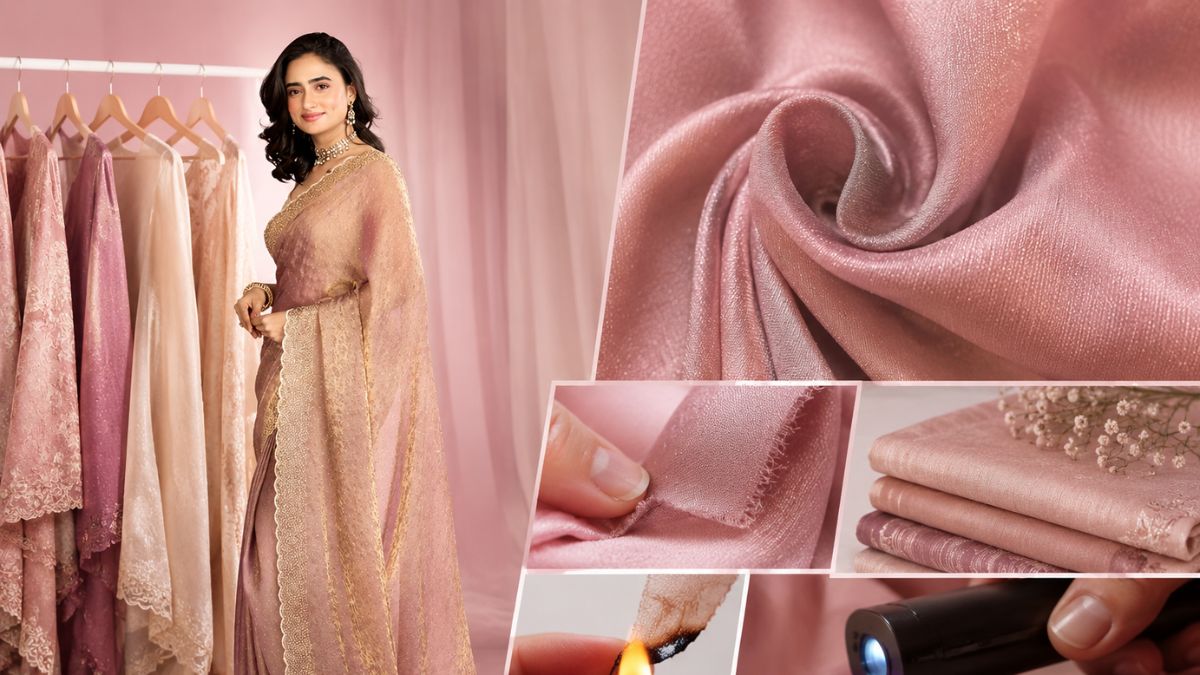
“Which dress material is this”? “Is it really the fabric I’m thinking or am I wrong”? — the struggle is real! We often meet dilemma in a crowd of fabrics when we shop clothes. And one of the most common encounters involves polyester. Though this synthetic fibre holds numerous advantages, it’s not easy sometimes to detect polyester from rest of the options. Learning how to identify polyester fabric saves you from this shopping confusion.
First thing first, you must know the characteristics of polyester. Coming from polyester fibres, it has a certain amount of luster. It replicates the exact look & feel of silk, cotton, and wool. The fibre industry often blends this fabric with different fibres, so that they perform better.
However, depending on its texture alone doesn’t confirm if the polyester is real because other fibres can copy the feeling as well. Therefore, you have to try some other way to find out. This fabric-knowing article by Sevora will reveal ways to identify polyester.
Intro of Polyester Fabric
The fabric belongs to synthetic category, well-known for its durability and affordability. This clothing piece was created back in 1941 to U.S. by some British chemists and brought by DuPont. Popularity first met polyester in 1970s, for being such an affordable suit material. If you want to master ‘how to identify polyester fabric’, get familiar with its history; as both the dress material and its blended versions are now the most used man-made fabrics across the globe.
.webp)
Aarke Ritu Kumar
Lime Blue Elder Flower Kaftan
₹3,900.00
For easy days that deserve a considered look — this fresh blue long dress in polyester in a floral print. Complete with a matching inner, it keeps the look effortlessly complete. Style it with silver hoops and strappy sandals for…
Shop Now.webp)
Aarke Ritu Kumar
Black Elder Flower Suit Set
₹7,200.00
Polyester in black in a floral print — this suit set brings casual festive ease to easy dressing. Complete with pants and dupatta, it is striking and effortlessly wearable. Style it with silver hoops and flats for a special day…
Shop Now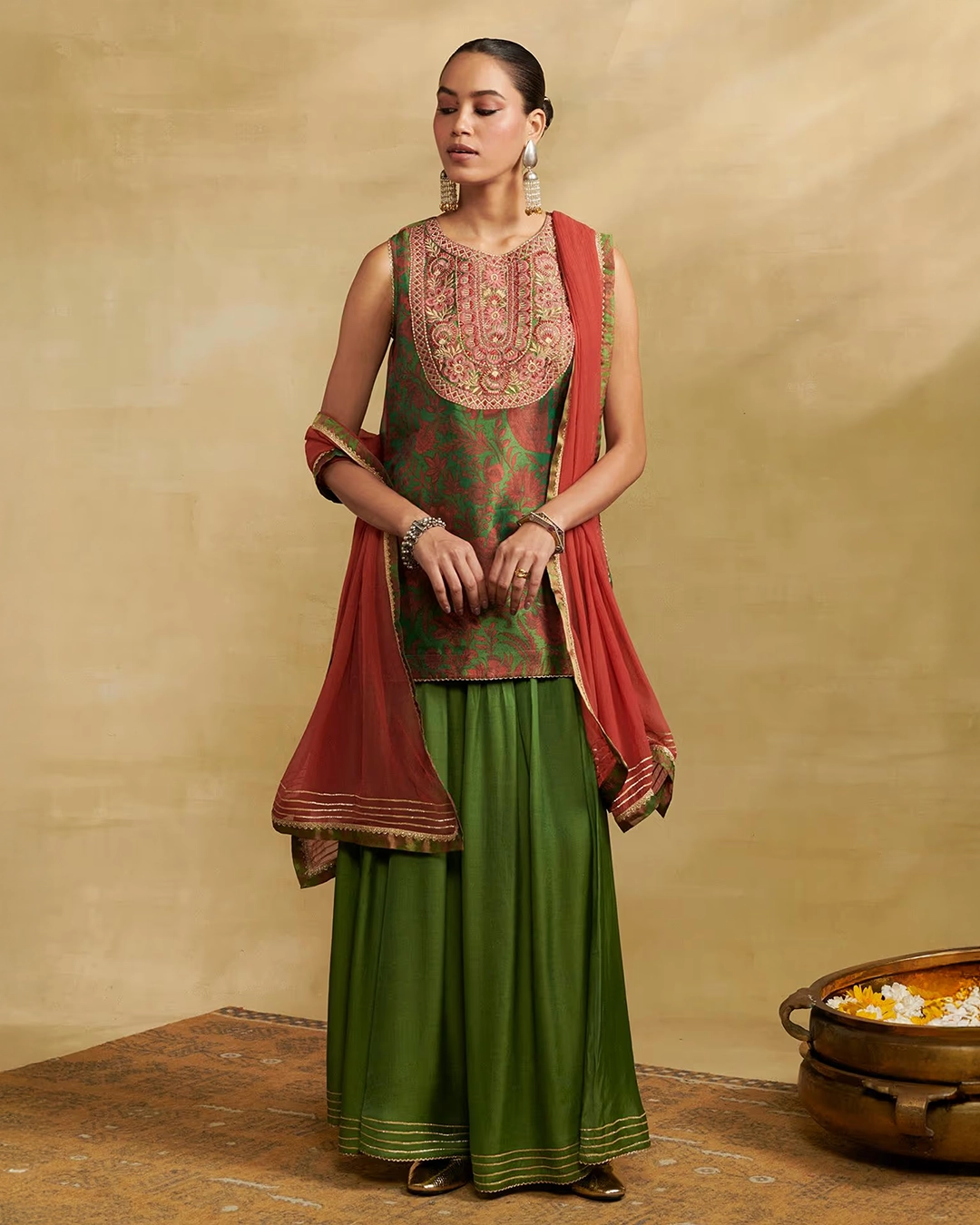
Aarke Ritu Kumar
Green Tissue Festive Suit Set
₹9,900.00
Polyester in green featuring floral print — this suit set brings casual festive ease to easy dressing. Complete with palazzo pants and dupatta, it is vibrant and effortlessly wearable. Style it with turquoise accents and strappy sandals for a relaxed…
Shop NowWhat Is It Made Of?
It’s a synthetic material. It is 100% plastic and made from polymerising petroleum-based ethylene glycol and purified terephthalic acid. This chemical reaction melts down to create polyethylene terephthalate (PET). Then, the molten plastic is extruded by the manufacturers through a spinneret to form semi-crystalline fibres. After optional chemical treatments, these strands are finally woven into fabric.
Types of Polyester
Polyester is categorized in three forms. Though it depends on its chemical process, here are the types:
1. Polyethylene Terephthalate (PET)
PET is the most common kind of polyester. It involves the strongest and most profitable manufacture. With Petroleum-derived ethylene being the main component, polymer reacts to other chemicals and turns into an incredibly durable, fibrous textile.
PET polyester is highly beneficial for the textile & packaging industries. Being the standard plastic for soda and water bottles, this resilient material molds advanced automative and electronics components as well.
2. Vegan Polyester
Ethylene glycol is often blended with dimethyl terephthalate (DMT) to produce plant-based polyesters. However, some manufacturers apply bio-waste, sugarcane, food scraps, etc as alternative ethylene sources. These biodegradable resources separate vegan polyesters from the rest.
Plant-based polyesters decrease the possibility of depending on petroleum, which makes it more eco-conscious. Production of this polyester fabric is limited due to high production cost and lower tensile strength compared to PET.
However, the biodegradable material is very friendly to eco-system and appeals to consumers who prefer sustainable manufacturing over anything.
3. PCDT
PCDT stands for poly-1, 4-cyclohexylene-dimethylene terephthalate, the primary component of this polyester. Like PET, PCDT contains the blend of ethylene glycol and DMT.
Variations in the polymerization process alter the final polymer morphology. Consequently, PCDT possesses better tensile strength and elasticity which is optimal for architectural textiles and upholstery.
What Are the Characteristics of Polyester Fabric?
Just like any other fabric, polyester also embodies some prominent characteristics. What are they? Keep reading:
- Polyesters are durable, those fibres are so strong that they don’t tear or pill easily like cotton or any other natural fibres. For this, clothes of this material are super easy to handle abrasion from machine wash and doesn’t require special care.
- They resist moisture, and drops of liquid, which refers to fast wicking of the moisture over soaking it up. Now, this moisture-wicking property is the reason behind polyester being remained as stain resistant.
- But as they say, advantage comes with disadvantage. Being moisture resistant makes dresses of this fabric, less airy or comfortable while wearing. It means when you sweat in a polyester ensemble, it will capture the moisture right away to make you feel hot and sticky.
- While fabrics like linen and cotton demand steam, polyester is strictly resistant to wrinkles and retains its shape and rigidity better. Its moisture-wicking benefit popularised in 1970s to replace clothes that required constant wash and ironing to get rid of creased lines.
- Unlike many natural fabrics, polyester doesn’t have a premium texture. Made cheaply, it can feel a little coarse to the ones who have sensitive skin. Other polyester kind like ‘China silk’ mimics the smoothness of natural silk or satin.
- It’s non-biodegradable. Biodegradable fibres break down with time, but the environmental presence of most polyester yarns is quite the opposite. Neither they’re biodegradable, nor do they break down easily.
How Does Its Texture Feel?
Cotton blends, wool, and silk are known for their soft texture, whereas polyester isn’t usually soft. Though there are several ways to create polyester that will determine its softness, the fabric ranges in texture from coarse to relatedly smooth.
What are the Uses of This Fabric?
Polyester fabrics are used in so many ways for fashion:
- Since polyesters are both durable and moisture-resistant, it’s a common choice for outdoor wear that keeps you dry in inclement climate. Parkas, windbreakers, and other outerwear are mostly polyester made.
- Backpacks, tote bags, and workout bags, belong to polyester fabric or its blended version since it’s both durable and moisture resistant at such low price.
- Polyester and nylon blends with it, are basically the microfibre items. Though it’s not strictly ruled by fashion, microfibre fabrics are ideal moisture deterrer or delicate glass surface cleaner.
- Apart from being a participant in today’s fashion, polyester is a popular pick in interior design and home decor as well. Be it tablecloths, bedsheets, or any drapery, it’s used for everything.
Summary
In summary, we get an intro of polyester as a common synthetic fibre that has numerous advantages but can be difficult to identify in a crowd of fabrics. So, it’s compulsory to carefully read the labels, take a burn test (only if you feel confident about it), and a fluorescence test; to meet the real polyester.
When you’re buying a dress, try to acknowledge its fabric as much as possible. Having the right information on the composition and properties are how to identify polyester fabric. Once you know it all, it will align your choice with the requirements you have for your favourite outfit.
Bonisha Chatterjee
Bonhisha Chatterjee is a content writer with over 7 years of experience in digital media and storytelling. She has written extensively on entertainment and fashion; covering celebrity trends, style, lifestyle, and pop culture. Known for her versatile writing style and keen eye for detail, Bonhisha creates content that is both informative and reader-friendly. Her work reflects a strong understanding of digital audiences and evolving content trends.
More articles by Bonisha ChatterjeeRelated Articles
Enjoy This Article?
Subscribe to our newsletter for more fashion insights and exclusive content.
Subscribe Now