
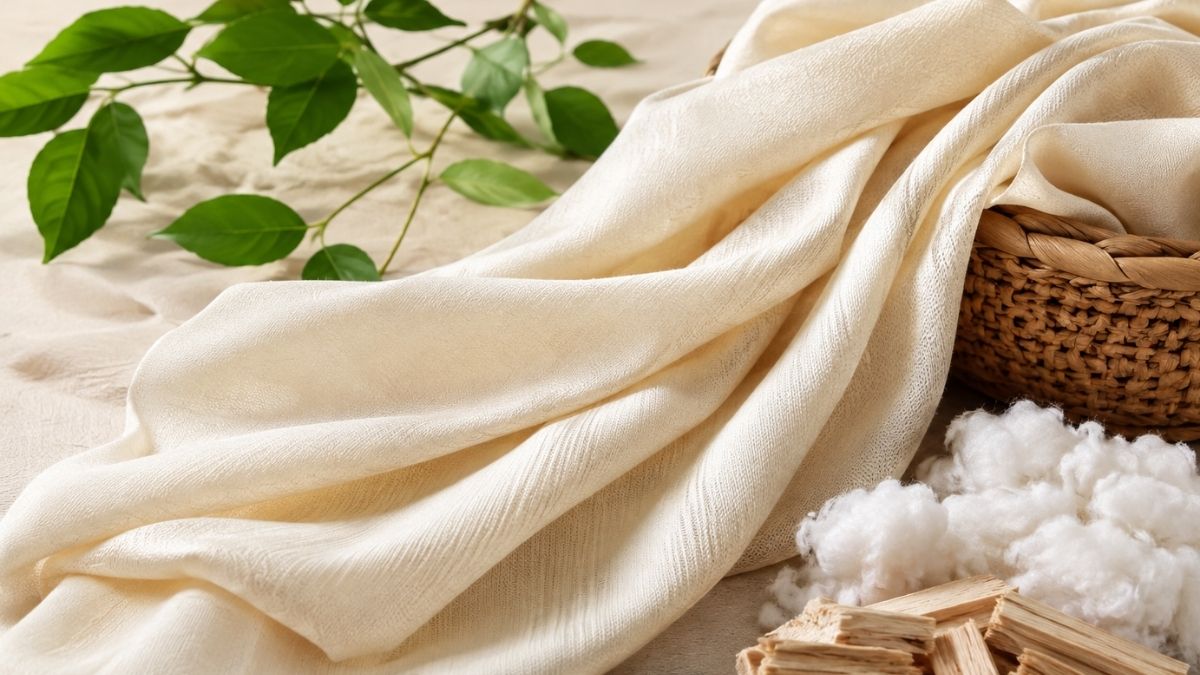
Do You Really Know What Rayon Fabric Is?
When you visualise a fabric with luxurious silky drape, cottony comfort, and affordable value, isn’t it an image of rayon fabric comes to your mind? Yes, we’re talking about then ultimate textile chameleon. Being a blend of nature and science, it imitates almost every fibre, which makes it a favourite to both summer outfits and casual wear.
The purpose of today’s blog is to get you familiar with literally everything about rayon! Be it decoding clothing tags, or mastering its laundry hacks, or just anything that leads you to this fabric.
Historical Background
Rayon is the first synthetic fibre with an origin belong to late 19th century. In 1855, French scientist Count Hilaire de Chardonnet invented ‘Chardonnet silk’. In 1910, its commercial production started with a Viscose Company in U.S.A. Rayon was originally called ‘artificial silk’ and highly known for featuring a texture like silk.
Each year, constant development in production process has advanced fabric texture and usage. Rayon is now versatile enough to serve both fashion and industrial goals. The historical background of this fabric signifies milestone in textile innovation.
How Rayon Fabrics Are Produced
The production process of rayon fabric is a highly specialised one which involves regeneration of cellulose from wood pulp or cotton linters. This cellulose goes through chemical intervention and makes a solution of viscose out of it.
Then, the absolute is forced through tiny spinnerets to continue the series of regenerated cellulose fibres. At last, those fibres are spun into yarn and weaved or knitted into rayon clothing material.
.png)
.png)
.png)
Examples of Rayon Fabric
There are several types of rayon fabric available, each category has its own definition in quality. Like,
- Viscose Rayon: Famous for carrying texture and drape similar to silk, it’s very common in textile.
- Modal Rayon: A blend version which offers better softness, comfort, and colour retention.
- Lyocell (Tencel): Eco-consciously popular, thanks to its sustainable production process. Smooth and airy.
- High-Tenacity Rayon: Offers strength like no other for heavy-duty industrial usage.
- Cupro: Gives premium fashion statement with elegance. Exploring these rayon variants reveals a spectrum of textures and applications. These variations highlight the diverse textures and functionality within the rayon family.
Types of Rayon Fabric
The diversity of rayon has a room full of options according to the smooth & glossy finish of standard viscose or the rugged durability of high-tenacity rayon fabric. This versatility lets a semi-synthetic material adapt to different preferences and industrial growth in apparel.
Features & Characteristics of Rayon Fabric
People choose rayon for its unmatched benefits. Few of its characteristics to note down are silk-resembled texture, highly absorbent nature through (which it clearly absorbs vibrant colours), and fluid comfort.
Not only silk, rayon copies the appearance of cotton & linen as well. Apart from showcasing a delicate appearance, the fabric exhibits reasonable durability. However, it gets wrinkles very quick. The way it adapts to numerous blends and types of viscose, modal, and lyocell, confirms its versatility in bringing diverse fashion and functional needs under one roof.
Uses of Rayon Fabric
Rayon synthetic fibres are known for its silky & smooth texture and affordable luxury, finds versatile applications across various industries. Common rayon fabric examples include viscose (known for silk-like qualities) and modal (often used for soft clothing).
Rayon is extensively used in clothing, from dresses and blouses to lingerie and loungewear. Rayon’s breathability and drape make it suitable for home furnishings like curtains, upholstery, and bedding. Additionally, it’s employed in the production of linings, ribbons, and even industrial filters, showcasing its adaptability to diverse needs.
Pros and Cons of Rayon Fabric
Here are a few pros and cons of the rayon fabric:
| Pros | Cons |
|---|---|
| Silky-soft texture, just like natural fibres | Likely to experience shrinking and wrinkle |
| Airy and comfortable to wear | Poor resistance to sunlight |
| Versatile for various apparel and home textiles | Not as durable as cotton or linen |
| Affordable and cost-effective silk alternative | Requires careful laundry and handling |
| Drapes well and feels luxurious | Can develop an unpleasant smell without right care |
| Available in a wide range of colours and patterns | Can be less eco-conscious for chemical interference |
Styles To Adapt in Rayon Fabric
Rayon fabric lends itself to various styles, giving us a better the fashion landscape. In its viscose form, it graces party gowns. On the other side, modal rayon finds a place in casual wear like t-shirts and loungewear for its softness.
Lyocell, a.k.a. Tencel, is a sustainable choice, contributing to new chic. Now, whether it’s fluid drape or tailored suits, the style options in rayon material cater to a spectrum of aesthetics, blended comfort, fashion, and eco-system.
What Does The Material Feel Like?
Rayon material dress feels luxurious and soft at the same time, which often remind us of silk. The texture in it is so relaxed & cosy that it offers a pleasure against the skin. It is known for being as fluid as graceful.
The ‘light as a feather’ weight of this fabric contributes to a breathable and fluid sensation, making it a survival for fast-changing climates.
Does Rayon Care About Environment?
Sustainability of rayon varies according to the ways to produce the fabric. Traditional viscose rayon undergoes chemical processing which affects our planet. However, the approach of new and advanced technology in lyocell (Tencel), works as an alternative to it.
Making lyocell is a closed-loop process, which recycles solvents and minimise environmental impact. While old rayon can grow environmental issues, picking lyocell or other eco-friendly variants aligns with sustainable practices. It demonstrates that the overall eco-friendliness of rayon depends on certain kind and manufacturing steps applied.
Rayon Care: Instructions To Follow
“The more luxurious an outfit is, the more care it needs”. Same thing applies to rayon. It seeks proper attention to preserve its beauty and longevity for as long as possible. Below are the instructions one must follow to make sure all rayon outfits and remain in pristine condition:
- Gentle wash with less detergent in lukewarm water is recommended.
- Don’t apply bleach or harsh chemicals, as they destroy the fibres.
- To avoid shrinking, air drying is preferred.
- Iron the fabric on a low or medium temperature while it’s slightly damp, for best outcome.
- Skip placing it to sunlight, if you don’t want its discolouration over time.
Bonisha Chatterjee
Bonhisha Chatterjee is a content writer with over 7 years of experience in digital media and storytelling. She has written extensively on entertainment and fashion; covering celebrity trends, style, lifestyle, and pop culture. Known for her versatile writing style and keen eye for detail, Bonhisha creates content that is both informative and reader-friendly. Her work reflects a strong understanding of digital audiences and evolving content trends.
More articles by Bonisha ChatterjeeRelated Articles
Enjoy This Article?
Subscribe to our newsletter for more fashion insights and exclusive content.
Subscribe Now